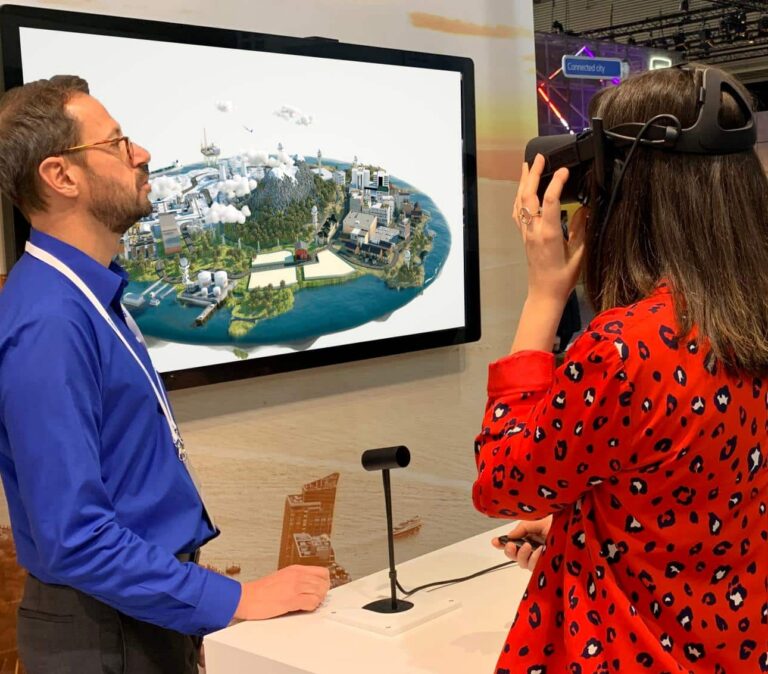
AI is speeding up parts of how interactive 3D product experiences are created, from preparing visual material to drafting and translating content. But producing content and turning it into a meaningful experience are two different things. This is where human expertise makes the difference: ensuring technical accuracy, identifying what different audiences need to know, and designing interactions that make hard-to-explain products easier to explore and understand.

Anyone can now ask an AI tool for a 3D model, an image or a product description and receive something in seconds. For an industrial company, the question that follows is practical: How can these capabilities be used to communicate sophisticated technical products accurately and effectively? And where does specialist expertise continue to make a difference?
What has AI made possible in interactive 3D?
Across the 3D industry, AI tools now take on work that previously required hours or days of manual work. They generate textures and background imagery, assist with geometry optimisation, draft and translate text, and produce quick visual sketches that help clients review and refine ideas before production begins.
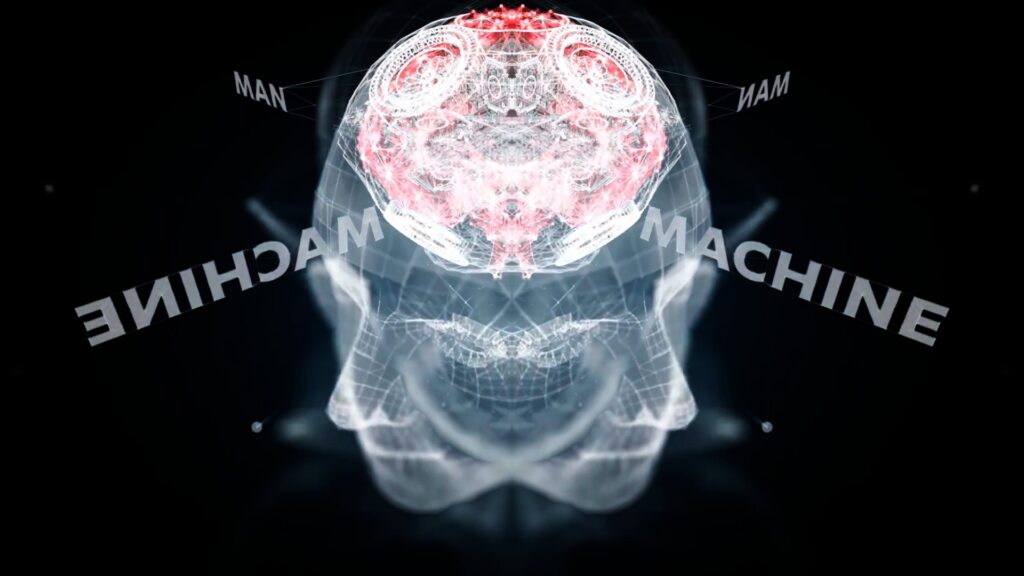
The time saved through AI-assisted production can be invested in the aspects that create the most value for customers: intuitive interactions, clear information design and experiences that spark curiosity and inspire discovery.
AI is also opening up opportunities to automate and standardise parts of the production workflow, making interactive 3D solutions more scalable and accessible to a wider range of companies.
Beyond production: AI in the interactive experience
AI is not only changing how interactive experiences are produced. It is also expanding what they can do.
In MemoScape, Stereoscape’s platform for museums and heritage, AI tools connect an existing media library to the objects in an exhibition. In interactive training modules, a built-in AI assistant answers learners’ questions, guides them step by step and provides personalised feedback, supporting learning at an individual pace. For frontline teams, productivity solutions include AI-powered digital work instructions with embedded photos, video and audio.

Looking ahead, AI could make interactive 3D product experiences increasingly conversational and adaptive. Users could ask questions and be guided directly to relevant components, features or explanations within the interactive experience. By drawing on approved product information, AI could help users find the answers they need while exploring the product.
Where does AI require particular care?
Technical accuracy
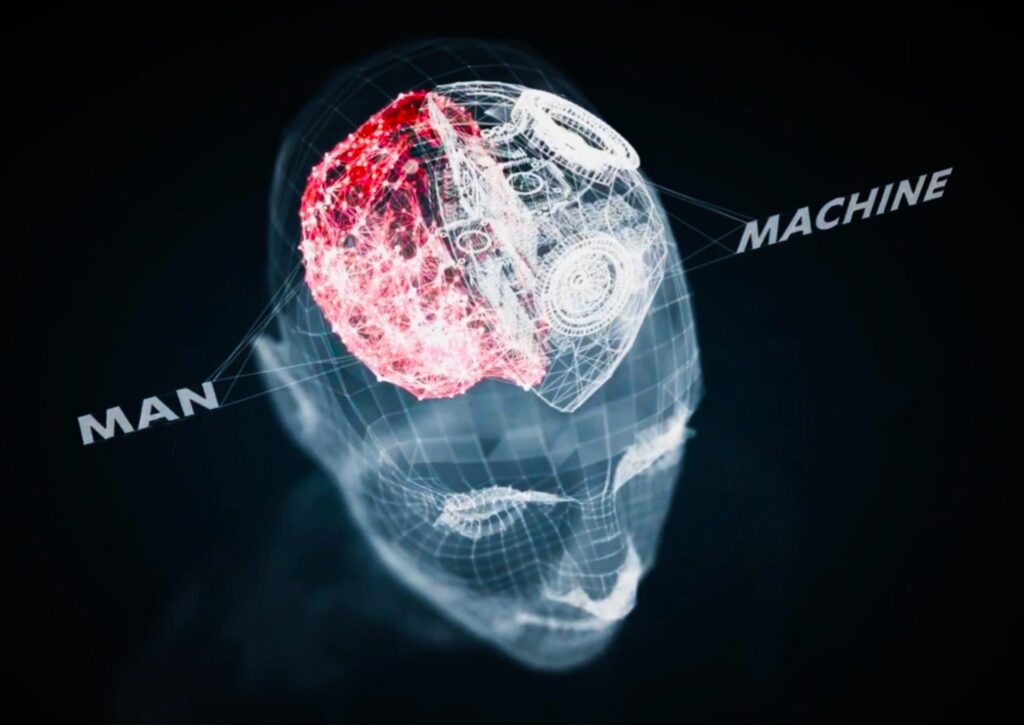
Accuracy comes first. Generative AI can create impressive visuals, but looking realistic is not the same as being technically accurate. The combination of accurate engineering data, verified product information, AI-assisted production and specialist expertise makes it possible to create compelling interactive experiences that remain true to the actual product.
Content reliability
AI output can also appear polished and authoritative even when it contains errors. AI-generated technical content therefore needs to be reviewed for factual accuracy and consistency before it is used in customer communication or training.
Differentiation
Without clear creative direction and product-specific knowledge, AI-generated content can become generic. For industrial and technology companies, the challenge is to communicate what makes their products distinctive: their unique features, engineering innovations and customer benefits.
Data security and confidentiality
CAD files, unreleased products and customer details are among the most sensitive material a manufacturer owns. Before any of it goes into an AI tool, companies need to know where their data goes, how it is protected and whether it may be used to train AI models.

AI-powered interactions
An AI assistant inside an experience needs the same care. It should be grounded in approved product information, with clearly defined boundaries for what it can answer. This helps ensure that customers and trainees receive reliable, relevant and consistent information.
Creating experiences, not just content
An interactive 3D experience for a technical or industrial product starts from the company’s own engineering models. These provide the foundation for accurate visualisation of the product, its components and how it works.
But an accurate 3D model is only the starting point. The next challenge is to turn it into an effective communication tool. This involves a series of decisions that shape the user experience:
- What users need to understand about the product and its value.
- Which features, components and processes should be interactive.
- How users can compare product configurations, explore different applications and understand the practical benefits of specific features.
- How hotspots, navigation and layers of information guide users from an overview to technical detail.
- What is best communicated through 3D visualisation, animation, video, images or text.
- How the same experience can serve different audiences, from business decision-makers to technical specialists.
- How to support both guided demonstrations and independent exploration.

The effectiveness of the experience depends on how well these elements work together. At a trade show, an engineer might want to see how a machine works from the inside, while a purchasing manager wants to understand what the same technology means for their operation. Designing an experience that serves both requires technical understanding, information design, user experience expertise and knowledge of the client’s business.
Close collaboration with the client helps identify the communication challenges that the interactive experience needs to solve. For Bluefors the task was to make a sophisticated cryogenic platform easier to demonstrate and understand at a trade show, while Jartek’s main question was whether customers could independently explore and understand a complete sorting and packaging line.
The results show in how clients describe them. Mark Roberts, Content Manager at Bluefors, said: “Stereoscape helped transform our ideas into reality, making our demanding technical products easy to present and understand.” Ville Rantanen, CMO of Jartek, remembered the first draft: “It was a really cool thing to see how our business started to come together.”
These examples illustrate why interactive 3D product communication is about more than visualisation. It is about transforming complex product knowledge into an intuitive experience that helps people explore, understand and appreciate the product’s value. AI can accelerate many parts of this process, while specialist expertise ensures that the result meets the client’s communication objectives.
What does this mean for a client?
Combining AI with specialist expertise creates opportunities for faster production, more cost-efficient content updates and increasingly intelligent interactive experiences. A specialist partner gives the client access to evolving technologies and expertise without the need to build and maintain these capabilities in-house. Companies can make better use of their existing CAD models and technical content, adapt experiences for different audiences and markets, and build scalable libraries of reusable digital assets.

At the same time, engineering accuracy, thoughtful information design and intuitive interactions help ensure that these experiences deliver real business value: clearer product communication, more effective sales and marketing, faster purchasing decisions and more efficient training. The same browser-based experience can support guided sales demonstrations and independent exploration, allowing customers to revisit product features and share information with colleagues as they evaluate their options.
The goal is not simply to produce interactive 3D content faster. It is to create more effective product experiences, more efficiently and at greater scale.
What to consider when combining AI and interactive 3D

- Start with the communication objective. Identify what customers, employees or partners need to understand. Work with a specialist partner to determine how an interactive experience can best address these needs.
- Choose a partner that combines technology and expertise. Look for capabilities in AI-assisted production, interactive 3D technology, technical product communication and user experience design. A specialist partner can help you benefit from advances in AI without having to develop all the necessary capabilities in-house.
- Harness AI to accelerate production. Work with a partner that knows where AI can add value, from concept development and content creation to production automation, while ensuring the quality and reliability of the output.
- Maintain engineering accuracy. Ensure that visualisations and technical content are grounded in the company’s own engineering data and verified product information. Choose a partner that understands the importance of technical accuracy in technical product communication.
- Protect sensitive product data. Ask your partner how AI is used, how confidential information is handled and what safeguards are in place to protect your intellectual property.
- Ensure reliable AI-powered interactions. When conversational AI is part of the experience, work with your partner to define the approved information it can access and the questions it is designed to answer.
- Prioritise the user experience. Look beyond visual quality and production efficiency. A skilled partner brings expertise in information design, navigation and interactivity, creating experiences that engage users, encourage exploration and inspire discovery.
- Think beyond a single project. Choose a partner that can support your evolving needs, helping you build, maintain and expand a library of reusable interactive content across products, audiences, markets and business functions.
AI is changing what is possible in interactive 3D product communication. Stereoscape helps industrial and technology companies turn these advances into business value by combining AI-assisted production, interactive 3D technology and specialist expertise.
Discover what the combination of AI and interactive 3D could do for your product communication.